
Why First Aid Skills Matter When Working in Childcare
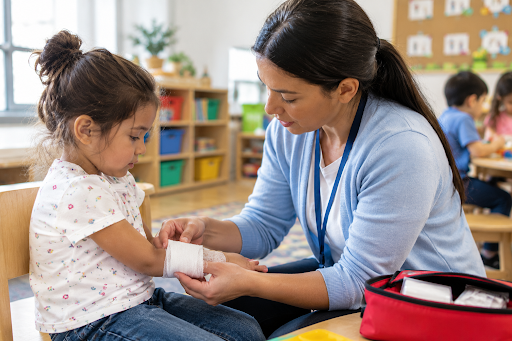
Imagine a busy day care center full of laughter and chatter and little feet running everywhere. Then a toddler starts choking at snack time, or a child takes a hard fall off the climbing frame. In that moment, knowing exactly what to do matters more than anything else in the room.
Childcare isn’t only about teaching colors, numbers, and sharing. It’s about making children feel safe and looked after. That’s why completing an early childhood first aid course is one of the smartest steps you can take before starting in this field.
Maybe you’re just beginning in early childhood education, or maybe you’re looking at a Certificate III in disability to widen your care skills. Either way, first aid training gives you the confidence to handle the unexpected.
Why Are First Aid Skills Essential in Childcare?
Kids are curious by nature. They climb, poke, taste, and test everything around them. That’s great for their development, but even in a well-supervised room, accidents happen.
1.Responding Quickly During Emergencies
Say a child has an allergic reaction at lunchtime. Would you spot the warning signs? Would you know what to do while you wait for an ambulance? An early childhood first aid course teaches you to recognize an emergency, follow the right procedures, and give immediate help within the limits of your training. It’s especially useful for choking, breathing difficulties, injuries, and allergic reactions.
2.Creating a Safer Learning Environment
A safe center isn’t one where kids never get a scraped knee. It’s one where educators know what the hazards are and take sensible precautions. First aid training sharpens your awareness of your surroundings. You learn to spot risks early, deal with injuries properly, and follow workplace safety procedures. And when the adults are alert, children can explore and learn with more freedom.
How First Aid Training Builds Confidence in Childcare Educators
Starting a childcare career is exciting, and a little daunting too. The children in your care can’t always tell you what hurts or what went wrong.
Staying Calm Under Pressure
Panic makes a stressful situation worse. An early childhood first aid course shows you how to assess what’s happening, call for help, and follow emergency procedures step by step. Because the training is hands-on, you get to practice before a real emergency ever happens. Confidence doesn’t mean knowing everything. It means understanding your role and recognizing when it’s time to call in professional medical help.
Building Trust With Parents
Handing your child over to someone else’s care is a big emotional step for any parent. They want to know you’ll notice when something’s wrong and act responsibly. Having proper first aid training shows you take children’s health and wellbeing seriously. Over time, that builds stronger, more trusting relationships with families.
Why First Aid Knowledge Matters for Children With Additional Support Needs
Every child develops in their own way. Some have physical disabilities, developmental differences or ongoing health needs, and they may need extra support. Educators have to give that support respectfully and individually, while keeping each child safe. If you’re exploring a Certificate III in disability, you probably already value patience, clear communication, dignity and person-centered care. Those same principles apply when you’re supporting children with additional needs.
Understanding Individual Care Requirements
Some children have specific medical conditions, allergies, mobility limitations or communication needs. First aid knowledge helps you notice concerns and follow a child’s documented care plan. For learners considering a Certificate III in disability, understanding individual support needs also deepens your approach to compassionate care. That said, first aid training doesn’t replace specialized medical instruction or condition-specific support training.
How First Aid Skills Support Long-Term Career Development
Childcare employers look for educators who understand how children develop and take responsibility for keeping them safe. First aid is also part of Australia’s early childhood education and care training requirements. A recognized early childhood first aid course, such as the HLTAID012 unit, builds practical emergency response skills for education and care settings.
Similarly, a Certificate III in disability pathway introduces you to the wider support practices used in disability and community care roles. The two qualifications prepare you for different responsibilities, but both come back to the same things: safety, empathy and looking after each person’s wellbeing.
Conclusion: Begin Your Childcare Journey With Confidence
If you’ve ever worked with kids, you know how fast a good day can turn. One minute they’re laughing, the next someone’s choking on a grape or has taken a hard fall off the climbing frame. In those seconds, parents and educators both want the same thing: someone who knows what to do and stays calm. A first aid course for early childhood is how you become that person. It won’t make you fearless, but it will help you act when it counts.
Maybe you’re not in childcare yet, and you’re just wondering if it’s for you. Plenty of people feel that way, and it’s okay not to have it all figured out. Early childcare courses online let you try it while keeping your job, your family, and your routine. You study when you can, in your own time. And if you find you’d rather care for adults, that’s a path too. A Certificate III in disability is one option. You could also study aged care online, and many people who do say that being there for someone in their later years is the most meaningful work they’ve done.
At Oxford College of Health and Technology, the training is hands-on, and the learning is flexible, so you’re not forced to choose between your studies and your life. If you’ve been thinking about it for a while, now’s a good time to look into it. Someone out there will be glad you did.